


The first cool evening of autumn hits the Midlands, you set your thermostat to heat, and within minutes, a strange smell fills your living room.
Is it dusty? Musty? Burning?
Before you open every window in the house or panic, know this: first-of-the-season furnace odors are extremely common, but they aren’t all created equal. While some smells disappear after an hour, others are warning signs that your heating system needs professional attention before winter sets in.
Here is a quick guide from your local experts at T&T HVAC on what those strange furnace smells mean and when it’s time to call in a pro.
The “Burning Dust” Smell (Usually Normal)
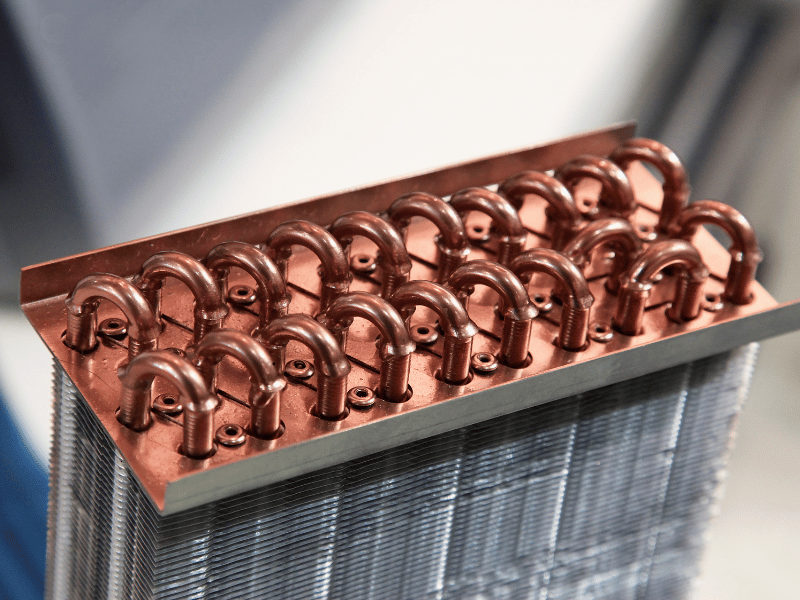
- What it smells like: A dry, dusty, slightly burning scent right after turning the heat on for the first time in months.
- Why it happens: During spring and summer, dust, dander, and debris settle directly onto your system’s heat exchanger or heating elements. When the furnace fires up for the first time in autumn, that accumulated dust burns off.
- What to do: Let your system run for 30 to 60 minutes. If the smell fades away completely, you’re good to go. Just remember to change your air filter to keep airflow clean.
The Musty or “Dirty Sock” Smell (Action Needed)
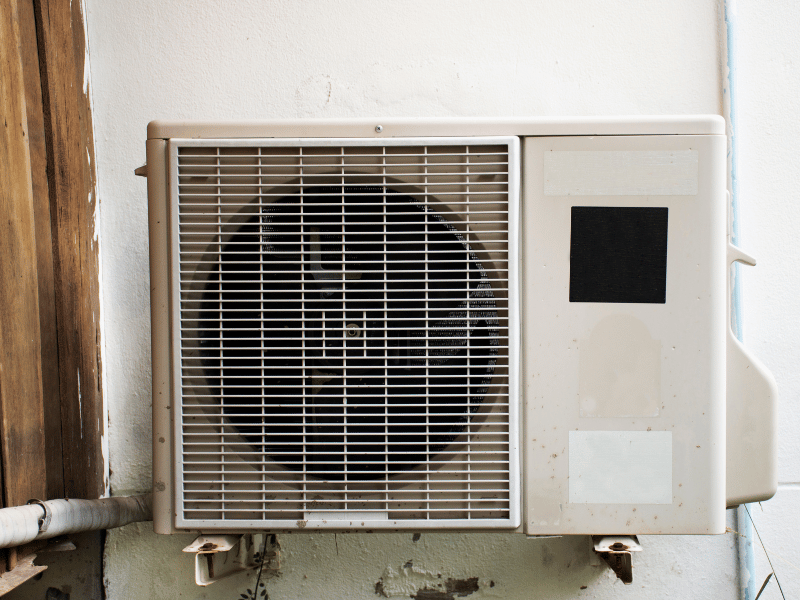
- What it smells like: A damp, stale, mildew-like odor blowing through your vents.
- Why it happens: Moisture leftover from Columbia’s humid summer air conditioning season can trap bacteria and mold spores inside your evaporator coil or ductwork. When warm air blows across those damp coils, it pushes that stale, musty smell directly into your living room.
- What to do: A standard air filter change won’t eliminate mold or mildew inside the system. Schedule a professional system inspection to clean the coils, inspect ductwork, and clear out trapped bacteria before it impacts your indoor air quality.
The Electrical or Metallic Burning Smell (Turn It Off!)
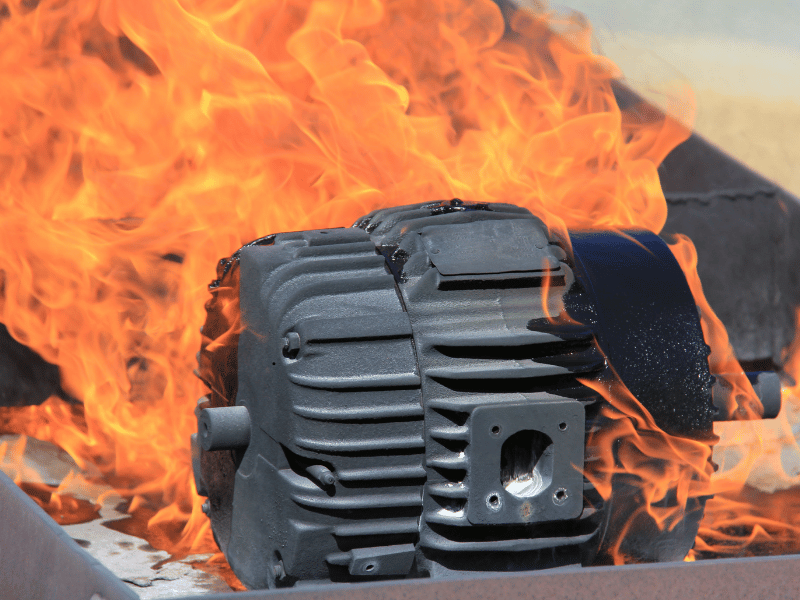
- What it smells like: Burning plastic, hot wires, or metallic melting.
- Why it happens: This isn’t just settled dust burning off. An electrical odor usually points to an overheating blower motor, worn-out bearings, frayed wiring, or a failing mechanical component.
- What to do: Shut down your heating system immediately at the thermostat. Running an overheating motor can permanently damage your system or create a fire hazard.
Rotten Eggs or Sulfur (EMERGENCY!)

- What it smells like: Sharp, pungent rotten eggs.
- Why it happens: Natural gas is naturally odorless, so utility companies add a chemical called mercaptan to give it a distinct rotten egg smell so you can instantly detect leaks.
- What to do: Evacuate your home immediately. Do not flip light switches, use appliances, or light matches. Once you are safely outside, call your gas company and emergency services, then contact T&T HVAC to inspect the line and unit once cleared.
Don’t Guess with Your Home’s Safety & Comfort
If your heater smells funny, musty, or just plain weird, don’t leave your family’s comfort to chance as temperatures drop across Columbia, Blythewood, and the surrounding Midlands.
A quick fall safety inspection by a licensed technician ensures your system runs efficiently, safely, and cleanly all season long… saving you money on monthly energy bills and preventing emergency midnight breakdowns.
Get Your Furnace Fall-Ready Today
Avoid the seasonal rush! Call T&T HVAC today or visit us online to schedule your fall heating tune-up and safety inspection.
- 📞 Call Us: (803) 529-6112
- 🌐 Book Online
- 📍 Serving: Pelion, Columbia, Blythewood, Lexington, and surrounding SC communities.